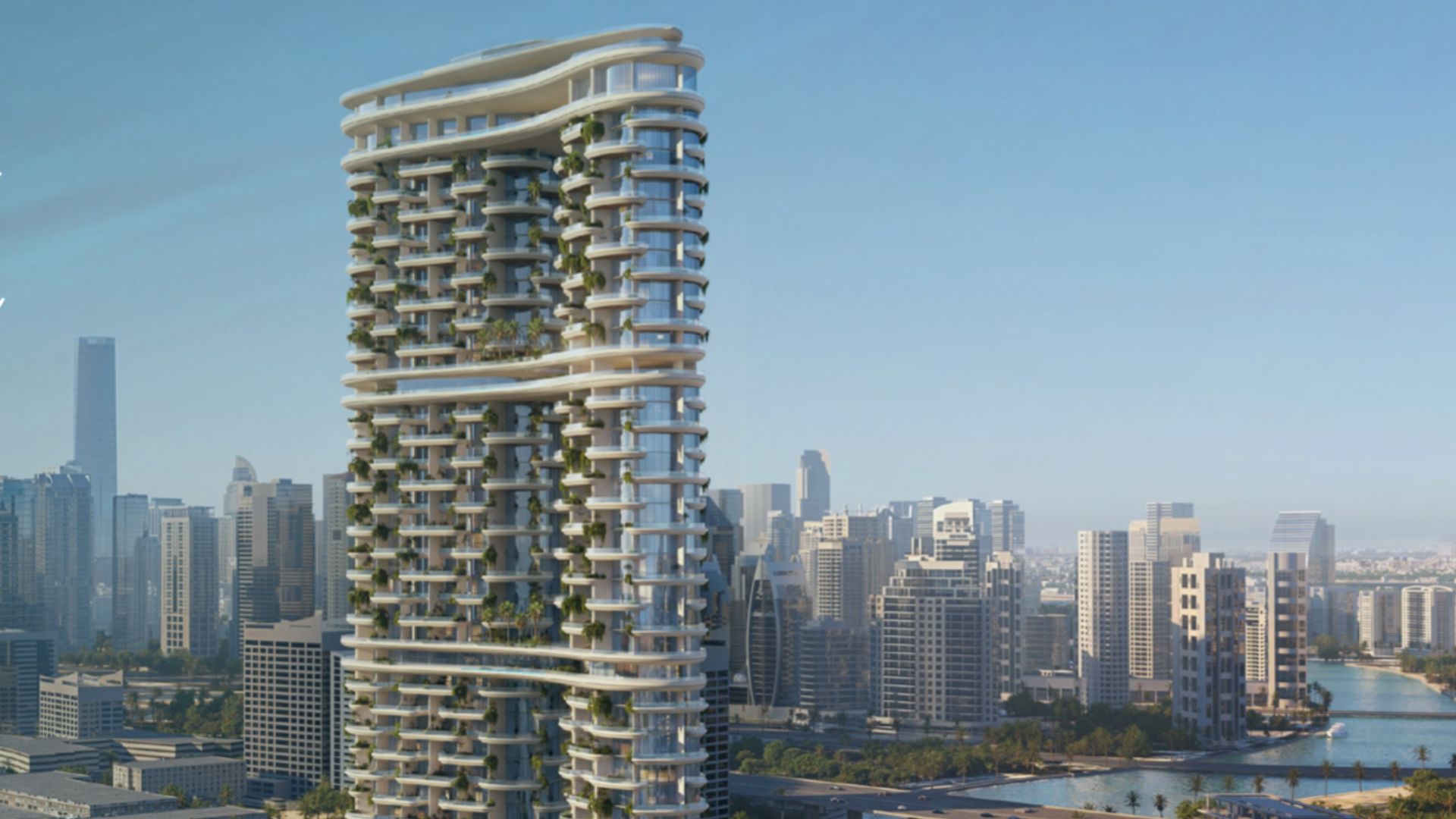
The 60/40 payment plan at Amali Residences, explained
Off-plan purchase in Dubai is a known structure. The buyer commits at reservation, pays incrementally during construction, and settles a final tranche at handover. Where projects differ is in how the total purchase price is distributed across that timeline. At Amali Residences on the Dubai Water Canal, the payment plan is a 60/40 split: 60 percent during construction, 40 percent on handover. The structure is one of the most balanced in the Dubai ultra-prime segment, and the mechanics are worth understanding clearly.
How the 60/40 plan works at Amali
The 60/40 plan at Amali Residences divides the purchase price into two main blocks. The 60 percent paid during construction is broken into milestone-linked instalments, each triggered by a defined construction progress stage. These typically include foundations, structure, façade completion, fit-out and snagging milestones, with payments synchronised to a developer-issued schedule and verified through formal DLD-approved construction reports.
The remaining 40 percent is settled at handover, in Q4 2029 per the current programme. This balance is paid against issuance of the title deed and effective key release. The construction-linked schedule means that the buyer is not exposed to large prepayments in advance of physical delivery, and that each instalment is tied to verifiable progress on site.
How it compares with typical Dubai schedules
Dubai off-plan plans vary widely. Some developers offer 50/50 splits, others run 70/30 or even 80/20 schedules where payments are heavily front-loaded during construction. A common alternative is the post-handover plan, where a meaningful share of the price (sometimes 30 to 50 percent) is deferred for two to four years after handover, with monthly or quarterly tranches paid against the delivered asset.
The 60/40 structure sits in the middle. It is heavier than a 70/30 during construction, which means the buyer carries less risk in case of timeline slippage. It does not extend payments past handover, which keeps the structure clean for owners who intend to occupy or hold the residence rather than refinance after delivery. For ultra-prime buyers, the simplicity of a defined endpoint at handover tends to be preferred.
The DLD 4 percent role
The Dubai Land Department charges a 4 percent registration fee on the property value, payable at the moment the unit is registered. At Amali Residences, the DLD 4 percent is paid by the buyer at reservation, not amortised across the plan. The reasoning is straightforward: the DLD registration locks the buyer's title and provides legal certainty from day one, which is part of the value proposition.
This structure is consistent with what serious ultra-prime developers offer. Buyers should expect to pay the 4 percent at signing, often together with the first instalment, and to receive an official Oqood (off-plan registration certificate) from the DLD within a defined window. The Oqood is the legal record of the off-plan purchase.
Cash flow logic for a buyer
Consider a 2BR unit priced at AED 14.5 million, the entry point at Amali Residences. The DLD 4 percent at reservation is AED 580,000. The 60 percent construction-linked payments total AED 8.7 million spread across the timeline from reservation to Q4 2029. The 40 percent at handover is AED 5.8 million. For a buyer using cash, the cash flow profile is gradual rather than concentrated, which is one reason 60/40 plans are appreciated for portfolio planning.
For buyers planning to combine cash with mortgage financing at handover, the 40 percent handover tranche aligns naturally with the structure UAE banks typically use for completed property mortgages. The combination is cleaner than post-handover plans, which can complicate financing because part of the price is still owed to the developer when the bank values the asset.
Why developers choose 60/40 for ultra-prime
From the developer side, a 60/40 schedule signals confidence. It indicates that the team does not need to maximise upfront collection because the project's commercial position is strong and the construction programme is funded. Volume developers often need 70/30 or 80/20 to maintain working capital. Ultra-prime developers tend to offer schedules closer to 60/40 or 50/50 because they prioritise buyer experience and brand positioning over financing optimisation.
At Amali Residences, the 60/40 structure aligns with the broader product logic: a curated 211-residence inventory, Killa Design architecture, HBA Residential interiors, every residence with a private pool. The financial plan reflects the same level of confidence as the rest of the offering.
Practical considerations before signing
A few items merit attention before committing to any Dubai off-plan plan. First, the precise milestone definitions and the percentage of the price tied to each. Second, the snagging window and what defects entitle the buyer to delay the handover payment. Third, the late delivery clauses and what compensation, if any, applies if Q4 2029 slips. Fourth, the transfer fees, service charges and other administrative costs that sit outside the headline price.
At Amali, these documents are part of the standard sales pack issued by the developer. Reading them with a Dubai-registered lawyer or a buyer advisory adds a layer of comfort that ultra-prime buyers should treat as routine rather than optional.
The takeaway
The 60/40 plan at Amali Residences is a buyer-balanced structure. It commits 60 percent of the price to verifiable construction milestones, settles the remaining 40 percent at handover against title transfer, and keeps the DLD 4 percent at reservation rather than amortised. For an ultra-prime asset in Al Wasl with a Q4 2029 handover, the structure is one of the cleanest in the market today.