HBA Residential: the interiors signature behind Amali Residences
Hirsch Bedner Associates was founded in California in 1965 and built its reputation across nearly six decades on hospitality. Four Seasons, Mandarin Oriental, Ritz-Carlton, Aman, Bulgari Hotels and Rosewood appear on the studio's reference list. HBA Residential is the dedicated arm that brings the same hospitality language into private homes. At Amali Residences on the Dubai Water Canal, HBA Residential authored the interior architecture that buyers will live in for decades.
A studio with a hospitality memory
HBA operates from offices in Los Angeles, Singapore, London, Dubai, Shanghai and a dozen other cities. The studio describes itself as the largest hospitality interior design firm in the world. Trade publications including Interior Design and Hospitality Design have consistently ranked HBA at or near the top of their global rankings for the past two decades. That positioning is not a marketing claim, it is a function of project volume across the world's leading hotel groups, combined with a refusal to expand into commodity sectors.
That hospitality memory matters in a residential context. The studio has learned, through hundreds of openings, how a five-star guest experiences a space. Light planning, acoustic comfort, hardware tactility, the choreography between entry, living and sleeping zones are treated as design problems, not afterthoughts. HBA Residential transposes that discipline into apartments and penthouses, with the conviction that an ultra-prime home should be lived in like a private suite. The transposition is not literal: a residence is not a hotel room. But the rigour of treating each moment of arrival, transition and rest as a designed event is preserved.
The HBA design language
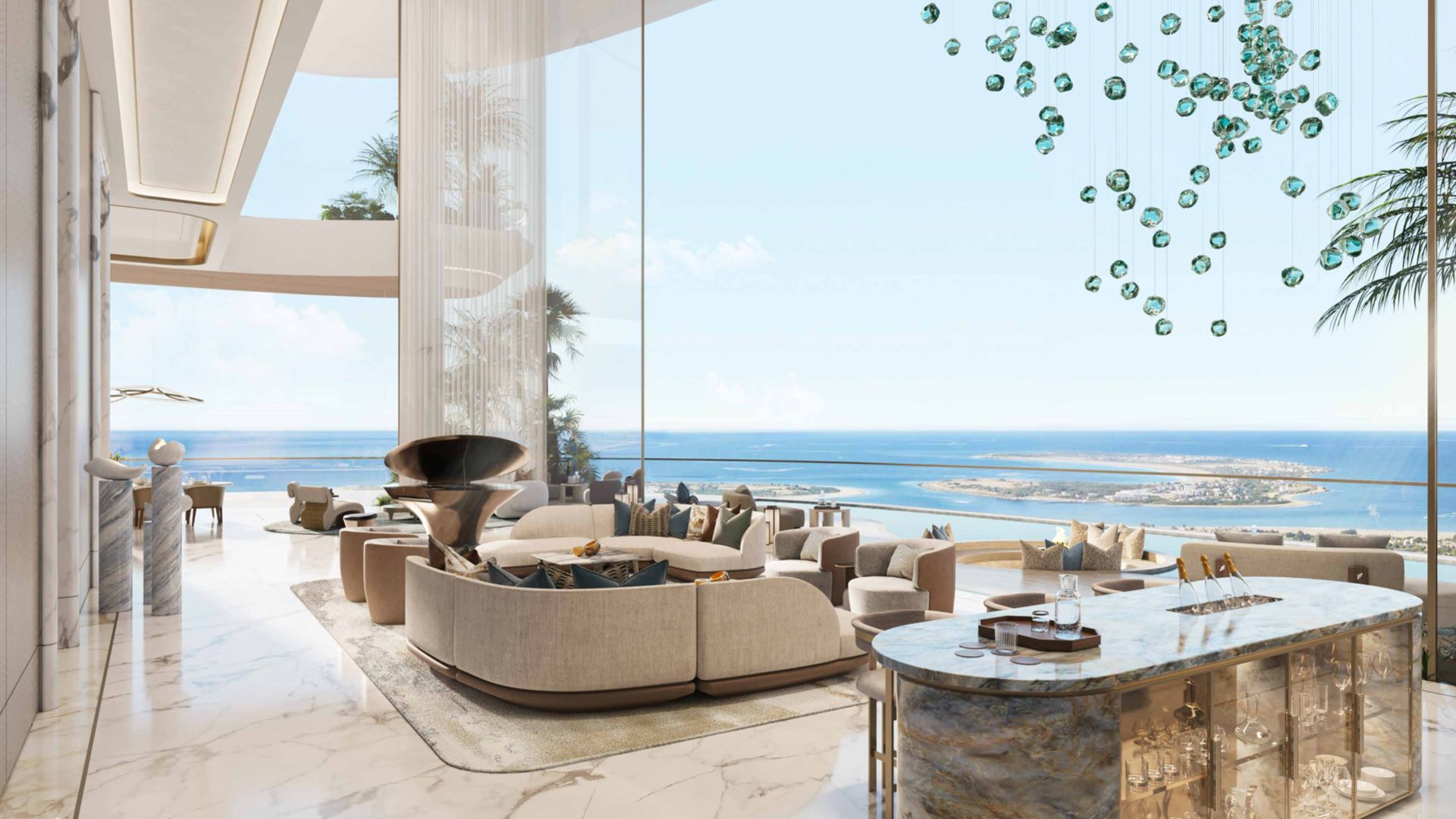
Three signatures recur across HBA Residential's portfolio. First, layered materiality: stone, wood, leather and metal are combined within the same room rather than spread across rooms, so each space carries a complete material story. Second, a calm chromatic baseline: neutrals dominate, with accent tones used as punctuation rather than statement. Third, custom millwork: cabinetry, panelling and joinery are designed as architecture, not furniture, which gives interiors a coherence that off-the-shelf packages cannot reach.
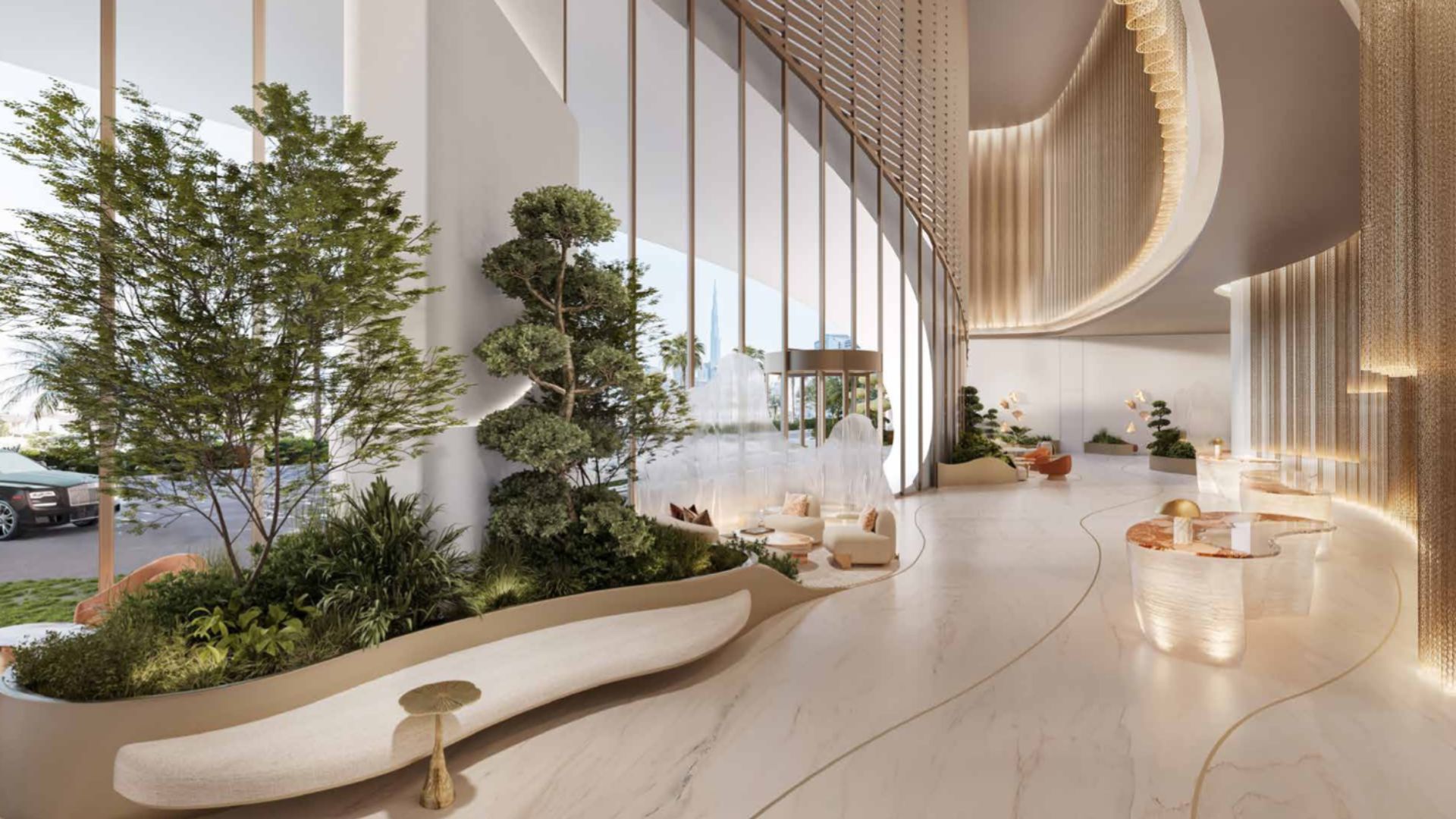
The output reads as restrained when seen in isolation and confident when seen as a whole. That balance is what distinguishes HBA from studios that rely on a single signature gesture.
Why HBA was selected for Amali
Amali Properties confirmed HBA Residential as interior designer because the brief required a studio capable of treating 211 residences as a coherent collection while still allowing penthouses and corner units to feel singular. Few practices can claim the bench depth to deliver custom interiors on that scale without diluting quality. HBA does, and the Dubai office is positioned within reach of the project team through completion. The studio has worked with several DAMAC-linked teams in the past, which shortens the cultural distance between developer and designer and avoids the common pitfall of an imported studio learning a market under deadline pressure.
The interiors at Amali Residences are also coordinated with the architecture by Killa Design and the landscape by SquareM Design, which avoids the disconnect that often appears when an interior package is layered onto a finished building. The three studios worked in parallel from concept stage.
Material choices and partners
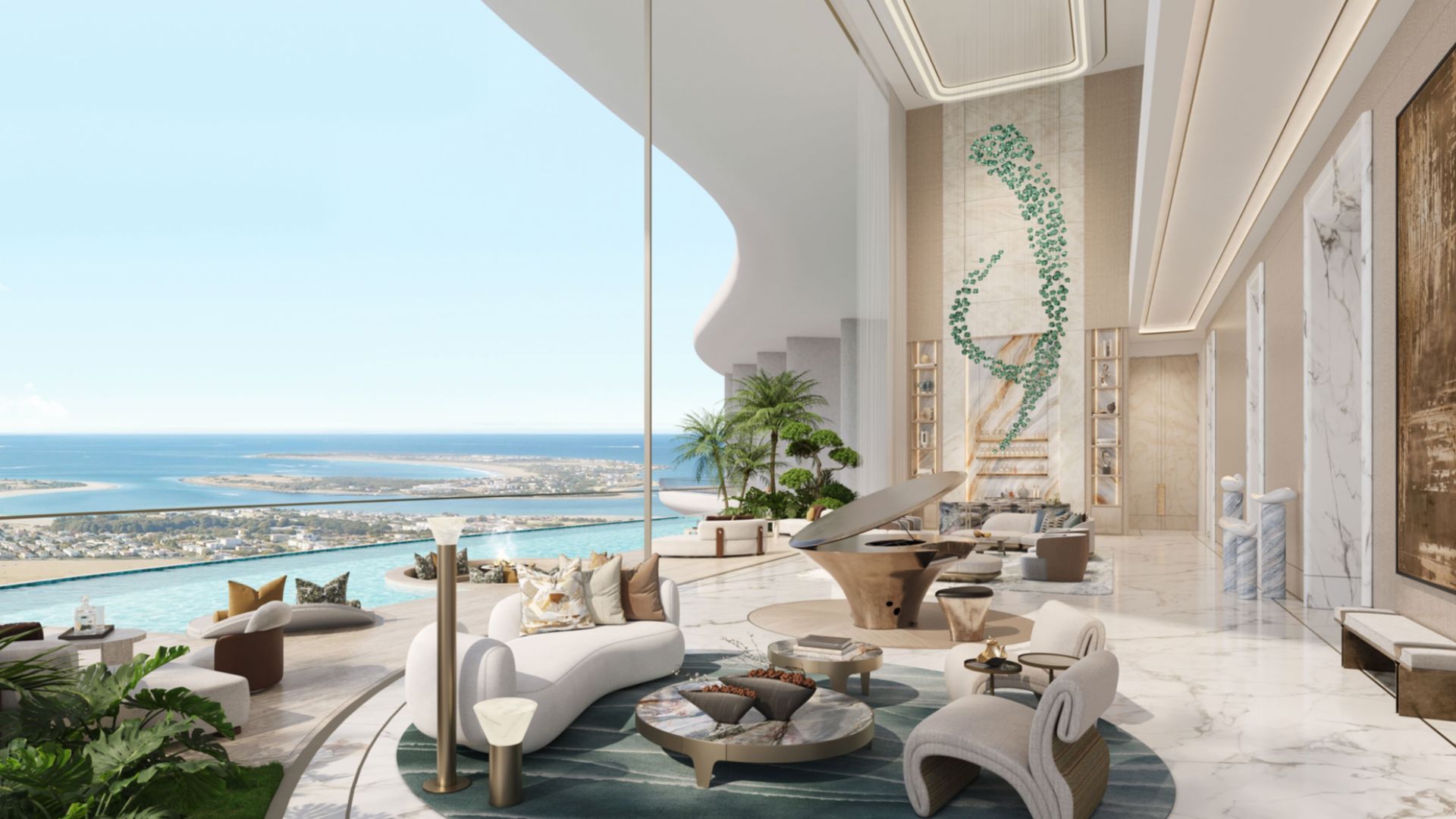
HBA's specifications at Amali read like a curated travel itinerary of European stone yards and bespoke ateliers. Mother-of-Pearl marble, Rosso Orobico, Cipollino Verde and Blue Mountain marble form the palette in lobbies, bathrooms and feature walls. Kitchens are equipped with Gaggenau appliances. Door and cabinet ironmongery is by Joseph Giles, the British heritage maker. Each choice has a provenance, and the package is consistent across the building. Even the seemingly minor decisions, such as the metal finish of light switches or the shadow gap detail at the base of a wall, are coordinated through HBA rather than left to the contractor.
What it means in a residence
Once delivered, the HBA touch will appear in details that are easy to miss on first viewing and difficult to ignore on the hundredth. The transition between stone and wood at a threshold, the depth of a recessed handle, the way a wall light is integrated into the millwork rather than surface-mounted. These are decisions made early in the design process and protected through construction. They are the difference between a residence that feels expensively furnished and a residence that feels authored.
For a buyer at Amali, the HBA signature is part of what survives beyond the launch cycle. Architecture sets the silhouette, interiors set the daily experience, and HBA Residential has built a 60-year practice around getting the daily experience right.